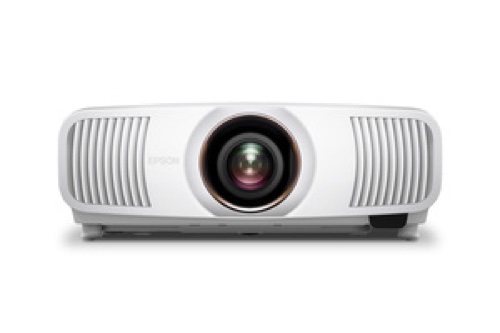

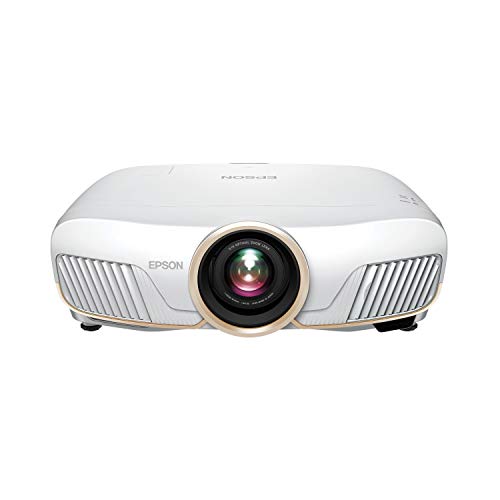
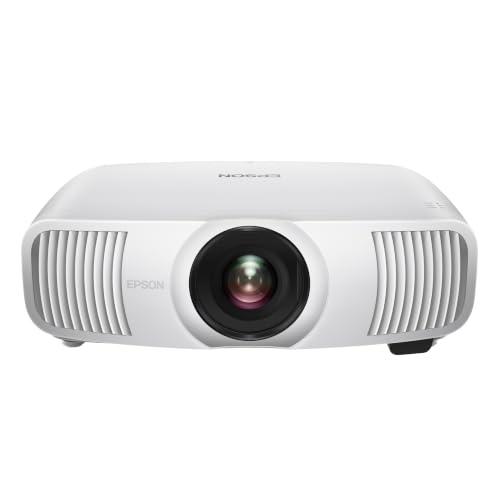
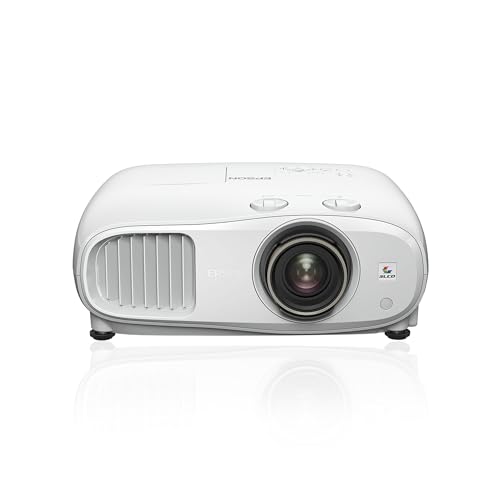
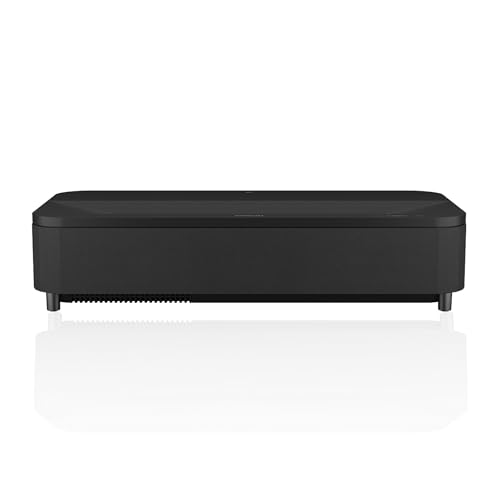
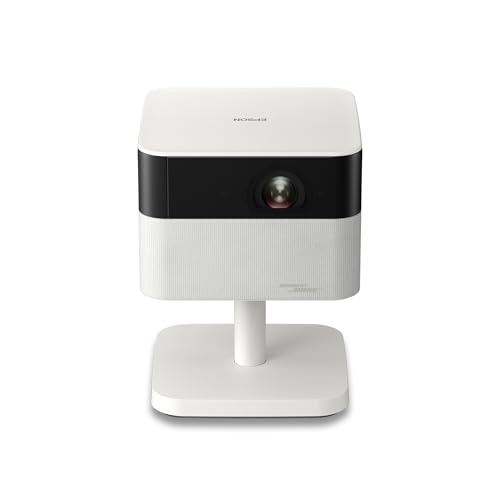
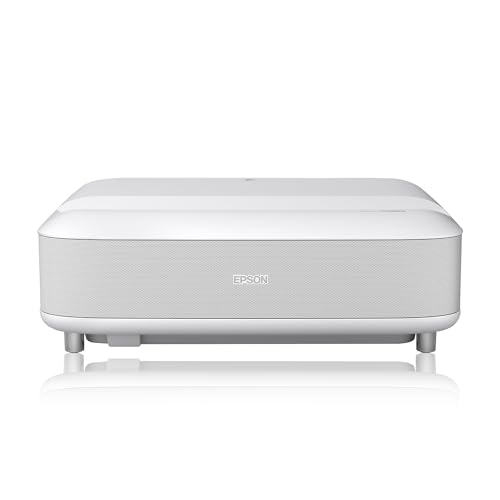
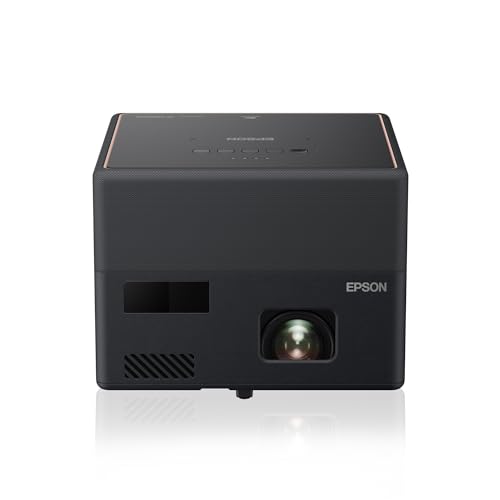
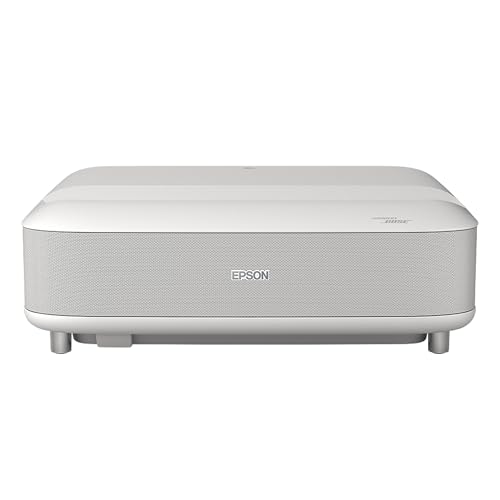
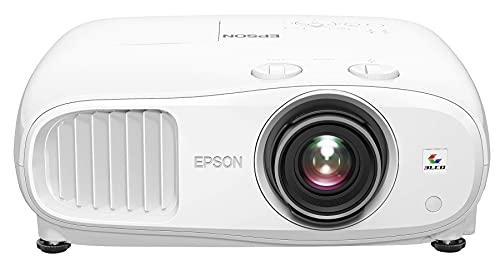
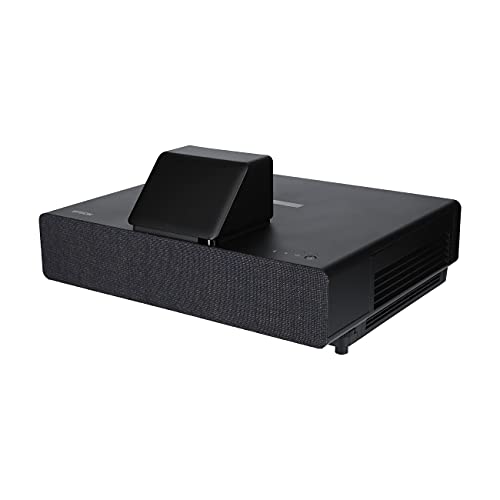
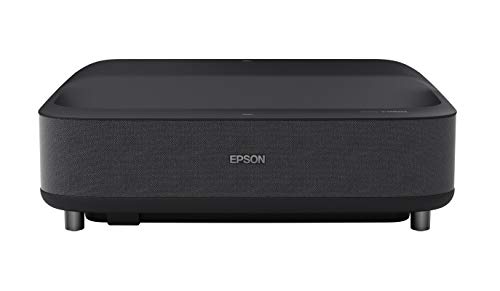
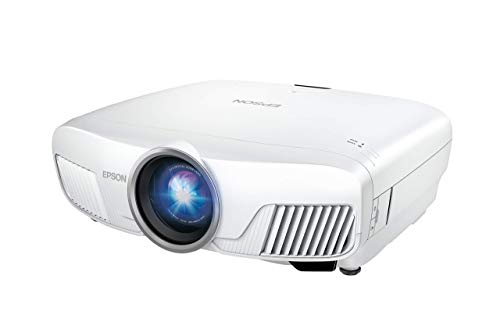
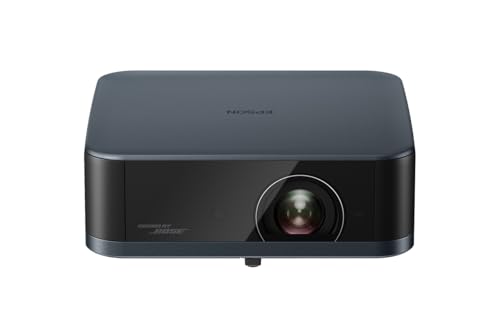
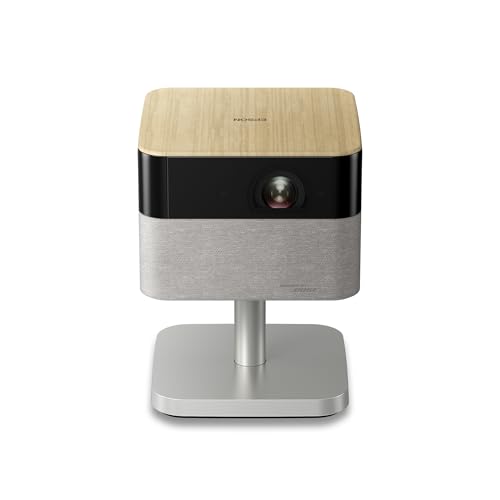
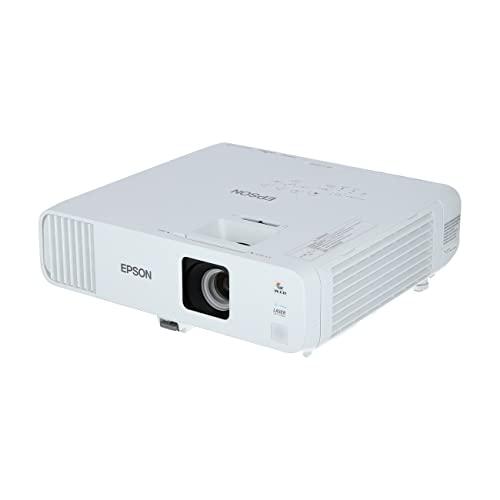

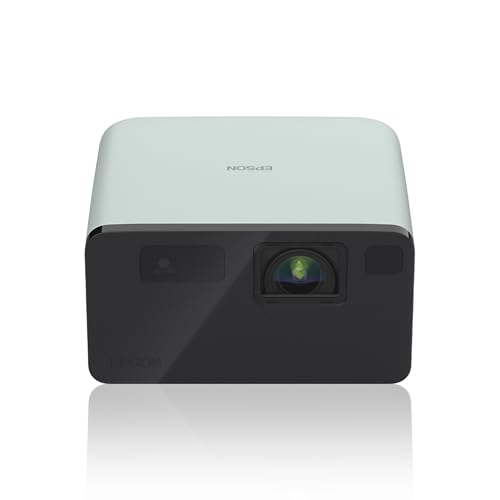

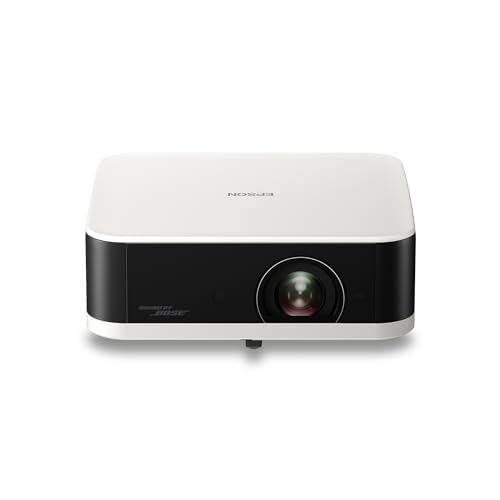


Are Epson Projectors Good?
Epson projectors have an average overall score of 7.8, ranking #7 among comparable projector brands, and a review score of 8.3, placing them at #7 among brands by review score.
One reason Epson stays competitive is its 3LCD approach, which avoids rainbow artefacts and often delivers strong color brightness for living rooms, classrooms, and mixed-use spaces. The better home models also offer solid motion, respectable contrast, and enough brightness to stay usable in less-than-perfect dark-room conditions.
Epson is less ideal if you want the sharpest enthusiast-grade native 4K image or the most stylish portable design. Some models are physically larger than DLP rivals, and the cinema-focused range is not always as premium-looking as Sony's. Still, for breadth, brightness, and overall value, Epson is one of the safer projector brands to buy.
The chart below compares projector brands by average overall score.
[horizontal-chart-06222294491359464560168876188160252806382230551488]What Are the Main Advantages of Epson Projectors?
The main advantages of Epson projectors are as follows.
- Broad product range: Epson covers home cinema, gaming, business, education, ultra-short-throw, and portable smart projection better than many brands that specialize in only one area.
- 3LCD color performance: Epson's 3LCD models usually maintain stronger color brightness than many single-chip DLP rivals, which helps images look punchier in real rooms with some ambient light.
- No rainbow effect: Because Epson does not rely on the same color-wheel approach as many DLP projectors, buyers sensitive to rainbow artefacts often find Epson easier to live with.
- Good brightness for the price: Many Epson projectors deliver practical 2,500-4,000+ lumen-style performance, which makes them versatile for home and work use.
- Strong value in mainstream home cinema: Epson often sits in a sweet spot where you get serious home-theater features without having to pay Sony-level money.
What Are the Main Disadvantages of Epson Projectors?
The main disadvantages of Epson projectors are as follows.
- Not always the sharpest 4K presentation: Many Epson home models use pixel shifting rather than native 4K panels, so absolute fine-detail performance can trail top Sony projectors.
- Bulkier chassis: Epson projectors are often larger and less stylish than compact lifestyle models from Samsung, LG, Xgimi, or Nebula.
- Black levels vary by model: While good Epson cinema projectors can look excellent, cheaper models do not always deliver the same dark-scene depth as more premium home-cinema specialists.
- Built-in software is not always the main attraction: Epson's strengths are usually projector fundamentals, not the most elegant integrated smart-TV ecosystem.
- Many mainstream models are still lamp-based: Compared with LED- and laser-heavy rivals, some Epson projectors still bring bulb replacement and brightness-decay concerns over longer ownership.
- Premium pricing climbs quickly on the best models: Once you move into Epson's laser or higher-end home-cinema tiers, the value gap versus cheaper mainstream options narrows.