Scored using Projectors Methodology v3.0
Projectors Methodology v3.0
Mathematical & Unbiased Scoring
Products in this category are scored under Frontum Projectors Methodology v3.0: the technical score from the specifications is the base, and independent expert and video reviews (up to ±0.5 points), owner opinions (up to ±0.3) and best-of lists (up to +0.3) move it up or down.
Explore Projectors Methodology v3.0

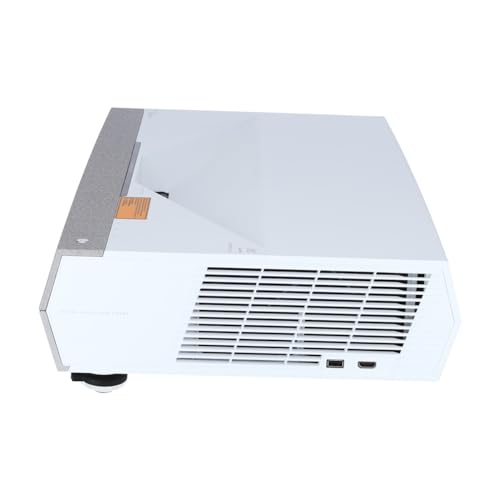
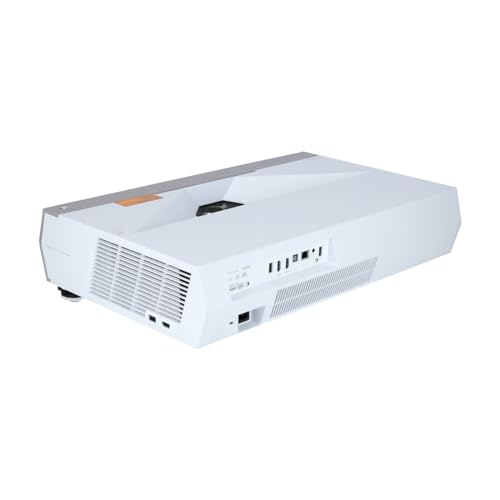
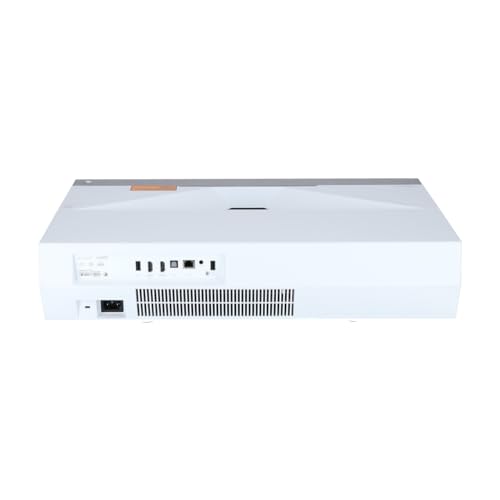
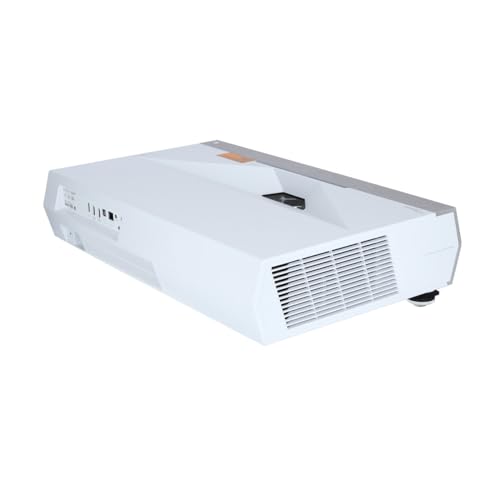
Optoma CinemaX P2 Review: 86 Specs Compared

Avg. price:~$3,300Native panel resolution:1920x1080ANSI lumens:3000Throw ratio:0.25:1Lamp life:20000 hours

Optoma CinemaX P2 Review: Compare 86 technical specifications, 18 expert and video reviews, 29 owner opinions and 2 best-of lists to see how this product ranks in the Projectors category and whether it is worth buying.
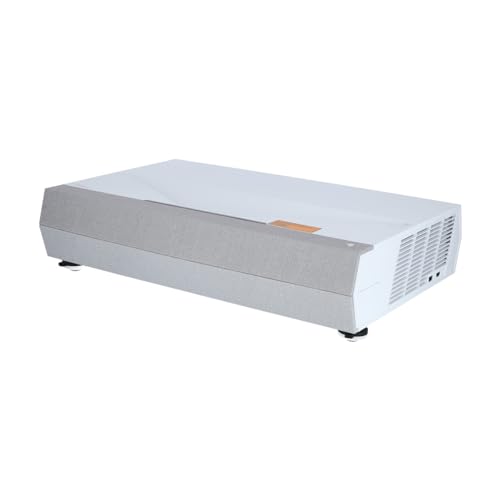
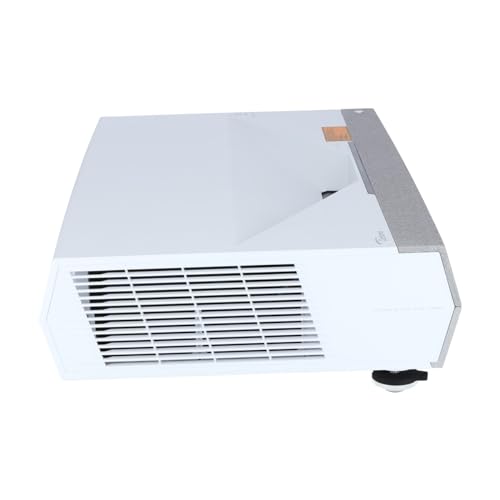
Optoma CinemaX P2
7.9/10

Overall score

Score
7.9/ 10
✕
What it is
Our main score for this model, 1–10. It combines specs, best-of lists, expert reviews and owners.
How we count it
Parts: Technical score 35%, List score 30%, Reviews score 25%, Sentiment score 10%
Marks: Each part gets a mark out of 10. For reviews, lists and owners, a typical model in this category gets about 8 and the best one gets 10.
No data yet: A part with no data shows "?". It counts as the mark of a weaker model in this category (4 in 5 models with data score higher). This way, models with reviews, lists and owners usually come out ahead.
Score distribution
▼
<55-66-77-88-99-10
Score components

35%

7.4

Technical Score

30%

8.2

List score

25%

8.5

Reviews score

10%

7.2

Sentiment score

★Better than 90% of projectors
5.8

Ratio quality/price

Ratio quality/price
5.8/ 10
✕
What it is
An indicator that combines the projector's overall rating with its cost.
When it matters
When you are looking for a projector with a good balance between quality and price.
Score distribution
▼
<55-66-77-88-99-10
Score components

70%

7.9

Overall score

30%

1.0

Price

▼Worse than 79%
7.4

Technical Score

Technical score
7.4/ 10
✕
What it is
How good the specs are compared with the other models in this category, 1–10.
How we count it
Areas: We rate the specs in each area against the other models in this category.
Weighting: The areas that matter most to buyers count more. The shares are shown under Score components.
Share: The technical score is 35% of the overall score.
Score distribution
▼
<55-66-77-88-99-10
Score components

42%

8.0

Image Quality

22%

5.1

Projection & Lens

12%

6.5

HDMI & Gaming

10%

9.2

Audio & Features

8%

8.9

Connectivity

6%

8.4

Design & Power

▲Better than 82%
8.5

Reviews score

Reviews score
8.5/ 10
✕
What it is
Average grade from independent test sites, magazines and video reviewers, 1–10.
How we count it
Grades: Each review's own score is converted to 1–10; without one, we grade the review ourselves. Big test sites count more, short reviews half as much as full tests. A video review counts half.
Score: The average grade is 80% of the review mark; the number of reviews is the other 20% (1 review = 5, the typical number in this category = 8, the most-reviewed model = 10).
Enough data: With few reviews, the average grade is pulled toward the typical grade of this category. No reviews yet: 7.8 for now.
Share: Reviews count 25% of the overall score.
Score distribution
▼
<55-66-77-88-99-10

80%

8.4

Average grade

20%

8.9

Popularity

Grades by review (18)
14 reviews: 10 with a printed score, 4 estimated from the review. 4 video reviews, each counting half as much as a written test. Reviews count 25% of the overall score.
User ratings collected online are not part of this score.
▲Better than 70%
7.2

Sentiment score

Sentiment score
7.2/ 10
✕
What it is
How positive owners are about this model in their comments under video reviews and on forums. We read each comment, keep only people who say they own the model, and sort them into positive, mixed or negative.
How we count it
Score: We compare how satisfied this model’s owners are with the other models in this category: the typical model gets 8, the most satisfied tenth 10, the least satisfied 4. This is 80% of the owner mark; the number of owners is the other 20%.
Enough data: A model counts with 10+ owners from 4+ different discussions. With fewer, the owner part counts as 6.8 for now.
Share: Owners count 10% of the overall score (left out in categories where fewer than 10 models have enough owner comments).
Score distribution
▼
<55-66-77-88-99-10

80%

7.0

Satisfaction

20%

7.9

Popularity

Owners (29)
29 owners from 5 online discussions
28% positive
17% mixed
55% negative
Category average: 39% positive
Our own analysis of online owner opinions, not a rating from any website.
▼Worse than 55%
8.2

List score

List score
8.2/ 10
✕
What it is
How often independent test sites, magazines and video reviewers put this model in their best-of lists for this category.
How we count it
Points: The model in the most lists of this category gets 10; the others get 8 to 10 in proportion. In no list yet: 7.5. Lists count 30% of the overall score.
Enough data: Every list counts, even a single one. With fewer than 5 best-of lists in the category, this part is left out.
Lists with this model (2)
List score: in 2 of 106 lists (2%)
▲Better than 87%

What Reviewers Say About the Optoma CinemaX P2

Based on 10 · 4

Reviewers love the punchy built-in speakers and great picture, but the apps and gaming disappoint, and opinions split on brightness.
Praised
Mixed views
Criticised
Pick a topic to see who said what
Loading...
Loading category ranking...

Technical Specifications of Projector Optoma CinemaX P2

Technical Score
Technical score
7.4/ 10
✕
What it is
How good the specs are compared with the other models in this category, 1–10.
How we count it
Areas: We rate the specs in each area against the other models in this category.
Weighting: The areas that matter most to buyers count more. The shares are shown under Score components.
Share: The technical score is 35% of the overall score.
Score distribution
▼
<55-66-77-88-99-10
Score components:

42%

8.0

Image Quality

22%

5.1

Projection & Lens

12%

6.5

HDMI & Gaming

10%

9.2

Audio & Features

8%

8.9

Connectivity

6%

8.4

Design & Power

7.4
Reviews score
8.5
Sentiment score
7.2
List score
8.2
Ratio quality/price
Value for money
5.8/ 10
✕
What it is
An indicator that combines the projector's overall rating with its cost.
When it matters
When you are looking for a projector with a good balance between quality and price.
Score distribution
▼
<55-66-77-88-99-10
Score components:

70%

7.9

Overall score

30%

1.0

Price

5.8
ANSI lumens
3,000
This projector reaches 3,000 ANSI lumens, brighter than 62.9% of projectors and equal to 8.4% of projectors.
Contrast ratio
2,000,000:1
This projector has a contrast ratio of 2000000:1, higher than 89% of projectors and equal to 1.8% of projectors.
Dynamic contrast ratio.
Native panel resolution
1920x1080
This projector uses a native resolution of 1920x1080, higher than 27% of projectors and equal to 59.2% of projectors.
Uses XPR pixel-shifting for 4K output.
Output resolution
3840x2160
This projector supports output resolution up to 3840x2160, higher than 71.2% of projectors and equal to 24.6% of projectors.
Projection technology
DLP
Show more
What reviewers say
Throw ratio
0.25:1
Min throw distance
1.5 ft
This projector needs a minimum throw distance of 1.5 ft, shorter than 90.5% of projectors and equal to 0.9% of projectors.
Max projection size
120 inch
This projector supports projection sizes up to 120 inch, smaller than 80.2% of projectors and equal to 10.7% of projectors.
Zoom ratio
N/A
Motorized zoom
no
This projector does not have motorized zoom. 14.8% of projectors offer this.
Show more
What reviewers say
Input lag
67 ms
This projector has input lag of 67 ms, higher than 90.1% of projectors and equal to 0.2% of projectors.
At 4K/60Hz.
Auto low latency mode (ALLM)
no
This projector does not switch to low-latency mode automatically. 16.1% of projectors offer this.
Variable refresh rate (VRR)
no
This projector does not support variable refresh rate. 1.8% of projectors offer this.
HDMI version
2
This projector supports HDMI 2, more modern than 46.1% of projectors and equal to 35.9% of projectors.
Different HDMI ports use 2 and 1.4.
Max HDMI bandwidth
18 Gbps
This projector supports HDMI bandwidth up to 18 Gbps, higher than 48.9% of projectors and equal to 39.7% of projectors.
Show more
What reviewers say
N. of HDMI ports
3
This projector has 3 HDMI port/s, more than 93.3% of projectors and equal to 6.4% of projectors.
Wi-Fi connectivity
yes
This projector connects to Wi-Fi networks for streaming. 46.7% of projectors offer this.
Wi-Fi version
Wi-Fi 5 (802.11ac)
This projector uses Wi-Fi 5 (802.11ac), which is newer than 55.6% of projectors and the same as in 27.5% of projectors.
Bluetooth connectivity
yes
This projector supports Bluetooth for speakers and headphones. 49.4% of projectors offer this.
Bluetooth version
4
This projector supports Bluetooth 4, more modern than 53.5% of projectors and equal to 2.4% of projectors.
Show more
Smart TV features
yes
This projector has built-in smart TV features. 56.2% of projectors offer this.
Android-based smart OS.
Operating system
Android 8.0
Android OS
yes
This projector runs Android OS. 81% of projectors run Android OS.
Android 8
Dedicated smartphone app
?
Remote control
yes
This projector includes a remote control. 1.5% of projectors offer this.
Two remotes included.
Show more
What reviewers say
Light source type
laser
This projector uses laser light source technology, more advanced than 75.4% of projectors and equal to 24.6% of projectors.
Laser light source
yes
This projector has a laser light source. 73.3% of projectors offer this.
Lamp life
20,000 hours
This projector offers lamp life of 20,000 hours, shorter than 35.2% of projectors and equal to 25.8% of projectors.
Laser light source life.
Lamp life (eco mode)
30,000 hours
This projector offers eco-mode lamp life of 30,000 hours, shorter than 64% of projectors and equal to 31.9% of projectors.
Operating power consumption
360 W
This projector uses 360 W of power, more than 86.8% of projectors and equal to 0.9% of projectors.
Typical power draw.
Show more
What reviewers say

Optoma CinemaX P2 vs the Average Projector

246810TotalImage QualityProjection & LensHDMI & GamingConnectivityAudio & FeaturesDesign & Power
  • Higher contrast ratio
    This projector has a higher contrast ratio than the average projector (2000000:1 vs 10000:1). The average projector has 10000:1 of contrast ratio.
    Dynamic contrast ratio.
    2,000,000:1 vs 10,000:1
  • Higher output resolution
    This projector supports a higher output resolution than the average projector (3840x2160 vs 1920x1080). The average projector outputs at 1920x1080 resolution.
    3840x2160 vs 1920x1080
  • Advanced focus control
    This projector offers more advanced focus control than the average projector (auto-focus vs manual). Typical projector: manual.
    auto-focus vs manual
  • Supports curved-surface correction
    This projector corrects warping on curved surfaces, while the average projector does not. 5.5% of projectors offer this.
  • Supports pixel shifting
    This projector supports pixel shifting, while the average projector does not. 26.6% of projectors support pixel shifting.
    Via XPR technology.
  • 36.4% brighter image
    This projector has higher ANSI lumens than the average projector (3,000 vs 2,200). The average projector has 2,200 ANSI lumens.
    3,000 vs 2,200
  • 1.8 ft shorter throw distance
    This projector has a lower throw distance than the average projector (1.5 ft vs 3.3 ft). The average projector has 3.3 ft of throw distance.
    1.5 ft vs 3.3 ft
  • Supports HDMI ARC
    This projector supports HDMI ARC, while the average projector does not. 35.2% of projectors support HDMI ARC.
    On HDMI 1.
  • 14.9% higher review score
    Reviews score
    8.5/ 10
    ✕
    What it is
    Average grade from independent test sites, magazines and video reviewers, 1–10.
    How we count it
    Grades: Each review's own score is converted to 1–10; without one, we grade the review ourselves. Big test sites count more, short reviews half as much as full tests. A video review counts half.
    Score: The average grade is 80% of the review mark; the number of reviews is the other 20% (1 review = 5, the typical number in this category = 8, the most-reviewed model = 10).
    Enough data: With few reviews, the average grade is pulled toward the typical grade of this category. No reviews yet: 7.8 for now.
    Share: Reviews count 25% of the overall score.
    Score distribution
    ▼
    <55-66-77-88-99-10

    80%

    8.4

    Average grade

    20%

    8.9

    Popularity

    Grades by review (18)
    14 reviews: 10 with a printed score, 4 estimated from the review. 4 video reviews, each counting half as much as a written test. Reviews count 25% of the overall score.
    User ratings collected online are not part of this score.
    8.5 vs 7.4
  • 7.9% higher list score
    List score
    8.2/ 10
    ✕
    What it is
    How often independent test sites, magazines and video reviewers put this model in their best-of lists for this category.
    How we count it
    Points: The model in the most lists of this category gets 10; the others get 8 to 10 in proportion. In no list yet: 7.5. Lists count 30% of the overall score.
    Enough data: Every list counts, even a single one. With fewer than 5 best-of lists in the category, this part is left out.
    Lists with this model (2)
    List score: in 2 of 106 lists (2%)
    8.2 vs 7.6
  • Higher contrast ratio
    This projector has a higher contrast ratio than the average projector (2000000:1 vs 10000:1). The average projector has 10000:1 of contrast ratio.
    Dynamic contrast ratio.
    2,000,000:1 vs 10,000:1
  • Higher output resolution
    This projector supports a higher output resolution than the average projector (3840x2160 vs 1920x1080). The average projector outputs at 1920x1080 resolution.
    3840x2160 vs 1920x1080
  • Supports pixel shifting
    This projector supports pixel shifting, while the average projector does not. 26.6% of projectors support pixel shifting.
    Via XPR technology.
  • 36.4% brighter image
    This projector has higher ANSI lumens than the average projector (3,000 vs 2,200). The average projector has 2,200 ANSI lumens.
    3,000 vs 2,200
  • Supports HLG
    This projector supports HLG, while the average projector does not. 41.2% of projectors support HLG.
  • Wider color gamut
    This projector has a higher color gamut coverage than the average projector (120% Rec.709 % vs 99% Rec.709 %). The average projector has 99% Rec.709 % of color gamut coverage.
    120% Rec.709 % vs 99% Rec.709 %
  • Advanced focus control
    This projector offers more advanced focus control than the average projector (auto-focus vs manual). Typical projector: manual.
    auto-focus vs manual
  • Supports curved-surface correction
    This projector corrects warping on curved surfaces, while the average projector does not. 5.5% of projectors offer this.
  • 1.8 ft shorter throw distance
    This projector has a lower throw distance than the average projector (1.5 ft vs 3.3 ft). The average projector has 3.3 ft of throw distance.
    1.5 ft vs 3.3 ft
  • Motorized focus
    This projector supports motorized focus, while the average projector does not. 45.6% of projectors support motorized focus.
  • Supports motion smoothing
    This projector supports motion smoothing, while the average projector does not. 34.1% of projectors offer this.
    Via PureMotion.
  • Supports HDMI ARC
    This projector supports HDMI ARC, while the average projector does not. 35.2% of projectors support HDMI ARC.
    On HDMI 1.
  • 2 more USB ports
    This projector has more USB ports than the average projector (3 vs 1). The average projector has 1 USB ports.
    3 vs 1
  • Has S/PDIF output
    This projector supports S/PDIF output, while the average projector does not. 16.6% of projectors support S/PDIF output.
  • Supports AirPlay
    This projector supports AirPlay, while the average projector does not. 40.3% of projectors offer this.
  • 1 more RJ45 ports
    This projector has more RJ45 ports than the average projector (1 vs 0). The average projector has 0 RJ45 ports.
    1 vs 0
  • 1 more HDMI ports
    This projector has more HDMI ports than the average projector (3 vs 2). The average projector has 2 HDMI ports.
    3 vs 2
  • VGA input included
    This projector supports VGA input, while the average projector does not. 44.1% of projectors support VGA input.
  • 4x stronger audio output
    This projector has a higher audio output power than the average projector (40 W vs 10 W). The average projector has 10 W of audio output power.
    40 W vs 10 W
  • Supports smart TV apps
    This projector has built-in smart TV features, while the average projector does not. 43.9% of projectors offer smart TV features.
    Android-based smart OS.
  • Includes stereo speakers
    This projector has stereo speakers, while the average projector does not. 47.8% of projectors have stereo speakers.
  • Supports voice commands
    This projector supports voice commands, while the average projector does not. 36.1% of projectors support voice commands.
    Alexa and Google Assistant supported.
  • 1 more audio input ports
    This projector has more audio input ports than the average projector (1 vs 0). The average projector has 0 audio input ports.
    1 vs 0
  • Android OS built-in
    This projector features Android OS, while the average projector does not. 19.1% of projectors feature Android OS.
    Android 8
  • Laser light source
    This projector has a laser light source, while the average projector does not. 26.7% of projectors have one.
  • 5 dB quieter operation
    This projector has a lower audible noise than the average projector (26 dB vs 31 dB). The average projector has 31 dB of audible noise.
    Maximum noise rating.
    26 dB vs 31 dB
  • 4 dB quieter eco mode
    This projector has a lower audible noise in eco mode than the average projector (24 dB vs 28 dB). The average projector has 28 dB of audible noise in eco mode.
    Maximum noise rating.
    24 dB vs 28 dB
  • 10,000 hours longer eco lamp life
    This projector has a higher lamp life in eco mode than the average projector (30,000 hours vs 20,000 hours). The average projector has 20,000 hours of lamp life in eco mode.
    Laser light source life.
    30,000 hours vs 20,000 hours
  • 130 inch smaller image size
    This projector has a lower projection size than the average projector (120 inch vs 250 inch). The average projector has 250 inch of projection size.
    120 inch vs 250 inch
  • 40 ms higher input lag
    This projector has a higher input lag than the average projector (67 ms vs 27 ms). The average projector has 27 ms of input lag.
    At 4K/60Hz.
    67 ms vs 27 ms
  • 29.4% lower refresh rate
    This projector has a lower refresh rate than the average projector (60 Hz vs 85 Hz). The average projector has 85 Hz of refresh rate.
    60 Hz vs 85 Hz
  • Limited HDMI format
    This projector supports a less capable max HDMI input format than the average projector (4K/60Hz vs 4K/120Hz). The average projector supports a max HDMI input format of 4K/120Hz.
    4K/60Hz vs 4K/120Hz
  • 20 degrees less vertical correction
    This projector offers less vertical keystone correction than the average projector (10 degrees vs 30 degrees). The average projector offers vertical keystone correction of 30 degrees.
    10 degrees vs 30 degrees
  • 25 degrees less horizontal correction
    This projector offers less horizontal keystone correction than the average projector (5 degrees vs 30 degrees). The average projector offers horizontal keystone correction of 30 degrees.
    5 degrees vs 30 degrees
  • 3.68x heavier weight
    This projector is heavier than the average projector (24.3 lb vs 6.6 lb). The average projector weighs 6.6 lb.
    24.3 lb vs 6.6 lb
  • 130 W higher power use
    This projector uses more power than the average projector (360 W vs 230 W). The average projector uses 230 W of power.
    Typical power draw.
    360 W vs 230 W
  • 3.93x more expensive
    Optoma CinemaX P2 is more expensive than the average projector ($3,300 vs $840).
    $3,300 vs $840
  • 14.8% worse value for money
    Optoma CinemaX P2 has a lower value-for-money score than the average projector (5.83 vs 6.7).
    5.83 vs 6.7
  • 29.4% lower refresh rate
    This projector has a lower refresh rate than the average projector (60 Hz vs 85 Hz). The average projector has 85 Hz of refresh rate.
    60 Hz vs 85 Hz
  • 130 inch smaller image size
    This projector has a lower projection size than the average projector (120 inch vs 250 inch). The average projector has 250 inch of projection size.
    120 inch vs 250 inch
  • 20 degrees less vertical correction
    This projector offers less vertical keystone correction than the average projector (10 degrees vs 30 degrees). The average projector offers vertical keystone correction of 30 degrees.
    10 degrees vs 30 degrees
  • 25 degrees less horizontal correction
    This projector offers less horizontal keystone correction than the average projector (5 degrees vs 30 degrees). The average projector offers horizontal keystone correction of 30 degrees.
    5 degrees vs 30 degrees
  • 40 ms higher input lag
    This projector has a higher input lag than the average projector (67 ms vs 27 ms). The average projector has 27 ms of input lag.
    At 4K/60Hz.
    67 ms vs 27 ms
  • Limited HDMI format
    This projector supports a less capable max HDMI input format than the average projector (4K/60Hz vs 4K/120Hz). The average projector supports a max HDMI input format of 4K/120Hz.
    4K/60Hz vs 4K/120Hz
  • 3.68x heavier weight
    This projector is heavier than the average projector (24.3 lb vs 6.6 lb). The average projector weighs 6.6 lb.
    24.3 lb vs 6.6 lb
  • 130 W higher power use
    This projector uses more power than the average projector (360 W vs 230 W). The average projector uses 230 W of power.
    Typical power draw.
    360 W vs 230 W
  • 11 in wider body
    This projector is wider than the average projector (22.7 in vs 11.7 in). The average projector has a width of 11.7 in.
    22.7 in vs 11.7 in

Video Reviews

Hands-on testing, unboxing, and real-world video evaluations

9.0
CROW1176 LIFE
≈ estimated
19/03/2024
Long-term use review · 4,600 hours and value check
Verdict
Optoma CinemaX P2 is still a worthwhile buy in 2024, especially for movies, though it lacks gaming features like VRR.
8.0
Smart Shopper
≈ estimated
08/05/2023
Hands-on review · measured lag, color and HDR tests
Verdict
Optoma CinemaX P2 has excellent color accuracy and audio, but its rainbow artifacts may bother sensitive viewers.
9.0
Unwrapped and Rated
≈ estimated
17/05/2022
Hands-on review · daylight viewing, placement and sound
Verdict
Optoma CinemaX P2 is worth it for anyone wanting a high-quality short-throw projector with good audio.
9.0
Chris Majestic
≈ estimated
12/11/2020
Full review · image quality, gaming lag, sound and comparisons
Verdict
Optoma CinemaX P2 is a worthwhile successor with excellent color and speakers, and a budget alternative to pricier rivals.
9.0
WhatHiFiIndia
≈ estimated
18/02/2021
First look · picture, sound and features walkthrough
Verdict
Optoma CinemaX P2 is almost a TV replacement with strong picture and sound, though its built-in app store disappoints.
9.0
Stuff India
≈ estimated
16/02/2021
Hands-on review · color, HDR, 3D and sound tests
Verdict
Optoma CinemaX P2 can replace a TV with a strong picture and sound, and only its built-in app store falls short.
Shop video
Overview video
Overview video
Not graded
Not graded
Not graded yet

Expert Reviews

In-depth analysis and verdict from leading tech publications
9.0
projectorcentral.com
✓ explicit
12/10/2020
Lab test · Ultra-short throw
Verdict
The Optoma CinemaX P2 is an accurate, sharp ultra-short-throw projector with good built-in sound, though its streaming platform is weak.
8.0
techradar.com
✓ explicit
9/11/2020
Hands-on test · Ultra-short throw
Verdict
The Optoma CinemaX P2 is a stylish ultra-short-throw projector with strong built-in sound, but its app store is clumsy and HLG HDR support is limited.
8.0
hdgear.highdefdigest.com
✓ explicit
7/7/2021
Hands-on test · Short-throw projector
Verdict
The Optoma CinemaX P2 suits anyone who wants a big screen without a ceiling mount, with a strong built-in soundbar, but HDR does not work through Sky Q boxes.
8.0
t3.com
✓ explicit
1/8/2023
Hands-on review · Living room projector
Verdict
The Optoma CinemaX P2 is a stylish living-room projector with detailed 4K images and strong built-in sound, but HDR does not work through broadcast set-top boxes.
9.0
projectorjunkies.com
≈ estimated
12/9/2022
Hands-on review · Ultra short throw
Verdict
The Optoma CinemaX P2 is a heavy but detailed ultra short throw projector with a strong built-in soundbar and Dynamic Black modes that deepen dark scenes.
8.0
uk.pcmag.com
✓ explicit
8/12/2021
Lab test · Ultra short throw
Verdict
The Optoma CinemaX P2 is a strong, color-accurate 4K projector with capable audio, but rainbow flashes and weak built-in streaming may put off some buyers.
8.0
avforums.com
✓ explicit
9/11/2022
Hands-on review · Picture and sound
Verdict
The Optoma CinemaX P2 is a sharp, punchy 4K projector with strong sound, but washed-out HDR colors and a poor built-in app system hold it back.
7.5
stereonet.com
✓ explicit
12/1/2021
Hands-on review · Short-throw projector
Verdict
The Optoma CinemaX P2 is a crisp, detailed short-throw projector with convincing HDR, but its setup is fiddly and built-in apps are disorganized.
8.0
pcmag.com
✓ explicit
8/12/2021
Lab test · Home entertainment
Verdict
The Optoma CinemaX P2 is a color-accurate home projector with strong built-in sound, but rainbow flashes show more often than most rivals.
9.2
pcvarge.com
✓ explicit
3/6/2024
Hands-on review · Ultra short throw
Verdict
The Optoma CinemaX P2 is a stylish ultra short throw projector whose onboard speakers stand out, though it is dimmer than its predecessor and suits dark rooms best.
8.0
projectorreviews.com
≈ estimated
4/7/2022
Hands-on review · Laser TV
Verdict
The Optoma CinemaX P2 is a minimalist laser TV that suits living rooms, with a strong picture and sound, but works best with a light-rejecting screen.
9.0
rehders.de
≈ estimated
10/11/2021
Hands-on test · Living room projector
Verdict
The Optoma CinemaX P2 is a bright, easy-to-set-up laser projector that suits a living room TV replacement, with lively colors and a good built-in soundbar.
9.5
mondoprojos.fr
≈ estimated
3/10/2021
Hands-on test · Color and contrast
Verdict
The Optoma CinemaX P2 is an accurate, smooth projector that beats its predecessor on color, but its contrast trails rival projectors.
8.0
hifi.nl
✓ explicit
1/6/2021
Hands-on test · Ultra short throw
Verdict
The Optoma CinemaX P2 is a stylish, quiet projector with good built-in sound, but it is dim for a living room and its smart system is weak.

Third-Party Reviews

What Customers Like About Optoma CinemaX P2

  • Exceptional 4K image quality with high color accuracy out of the box
  • Superior integrated 40W sound system that often eliminates the need for a separate soundbar
  • Ultra-short throw design allows for a massive 120-inch image from just inches away from the wall
  • Quiet operation with very low fan noise compared to other high-brightness projectors
  • Long-lasting laser light source rated for up to 30,000 hours in Eco mode
  • Sleek and modern white aesthetic that blends well into living room environments

What Customers Don't Like About Optoma CinemaX P2

  • Poor built-in smart OS and app selection, often requiring an external streaming stick
  • Input lag of approximately 50-70ms makes it unsuitable for competitive or hardcore gaming
  • Lack of HLG support over HDMI prevents broadcast HDR from certain set-top boxes like Sky Q
  • Remote control is not backlit and can be difficult to use in dark home theater settings
  • Requires a perfectly flat surface or a dedicated ALR screen, as the ultra-short throw picks up any wall imperfections
  • High price point relative to standard long-throw projectors or some emerging competitors

Verdict

The Optoma CinemaX P2 is an ultra-short-throw 4K UHD laser projector that delivers a sharp 3840 x 2160 resolution image using a 3,000 ANSI lumen laser light source and a 2,000,000:1 dynamic contrast ratio. Key characteristics include its ability to project up to a 120-inch screen from just inches away, an RGBRGB six-segment color wheel for 120% Rec.709 color accuracy, and an integrated 40W NuForce soundbar with Dolby Digital 2.0 support. Its main pros are the long-lasting 30,000-hour light source life, impressive out-of-the-box color fidelity, and convenient all-in-one design that eliminates the need for complex ceiling mounts. However, notable cons include a relatively high input lag for serious gaming (roughly 67ms), limited smart app support on its built-in platform, and the lack of HLG support over HDMI for specific broadcast HDR content.

Compare Optoma CinemaX P2 With Other Products in the Projectors Category

1Product to compare no. 1
VS
2Product to compare no. 2
VS
3Product to compare no. 3 (optional)

Graphic Comparison of Optoma CinemaX P2 and Other Products in the Projectors Category

No results found